Engineering Background — Why We Lead With Process
Lonfu-Tech CNC is built around application-engineering judgment on cylindrical precision work—turning and grinding routes that must survive real tolerance stacks, not slide decks.
Our founder-led team comes from routing, trial, and shop-floor diagnosis, not “relationship selling.” We default to drawing-first review: datums, tolerance chains, stock strategy, wheel/dressing windows, and how measurement correlates to loading—because that is where expensive mistakes hide.
How you should judge us: send a print or solid excerpt and watch whether our response is specific—risks named, assumptions stated, and stop/go criteria you can repeat internally. That conversation matters more than any brand claim.
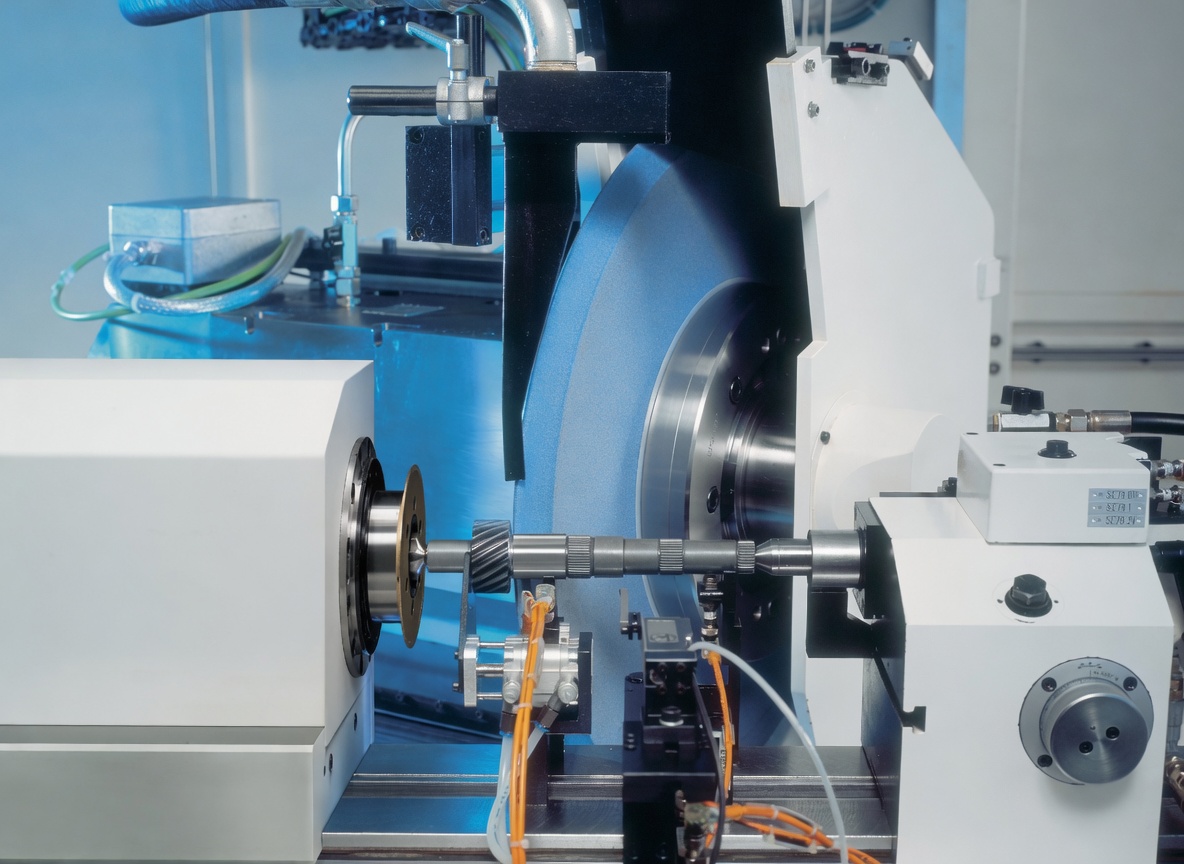
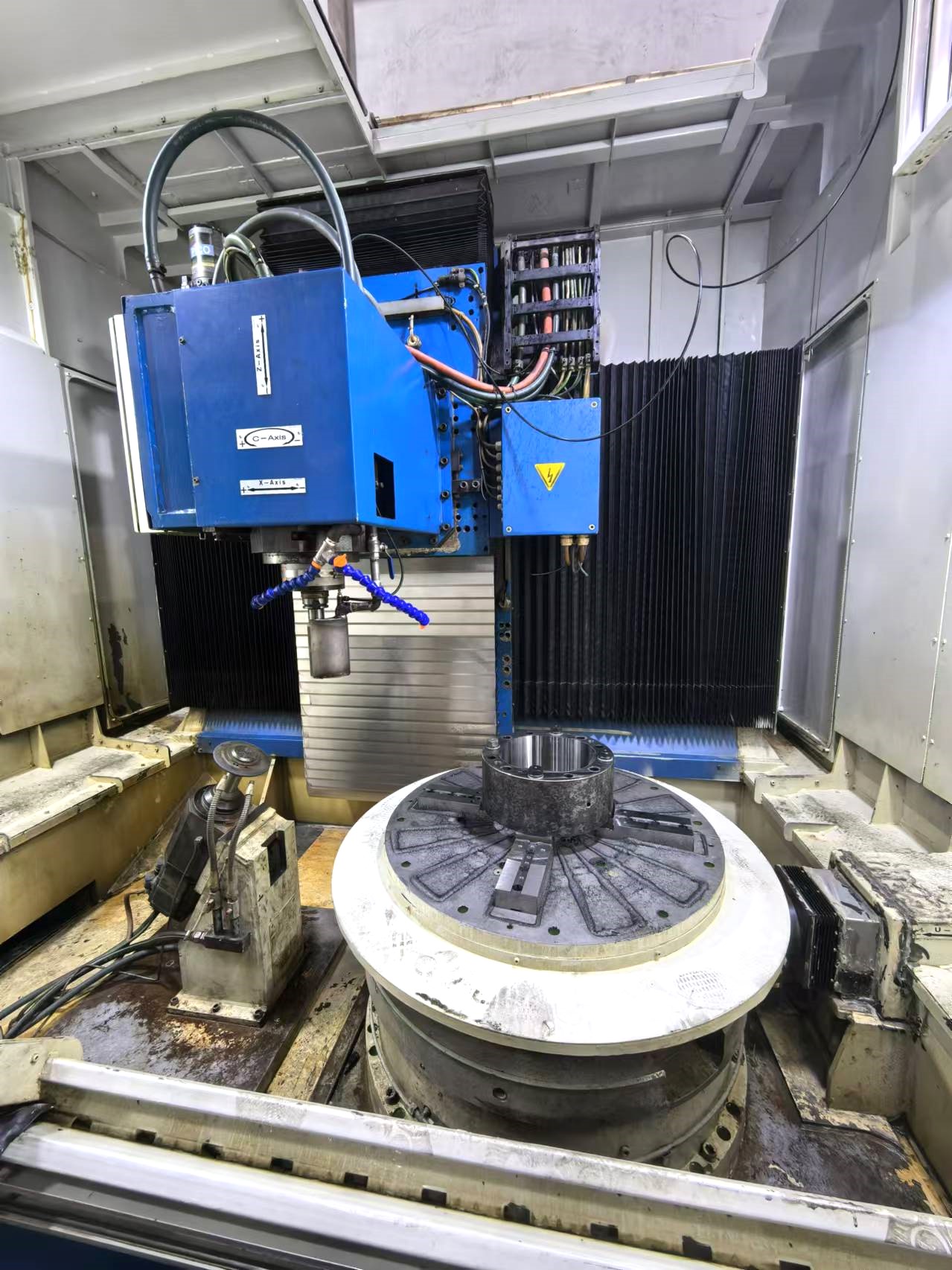
Our extensive experience spans across various elements of precision manufacturing. Whether you are dealing with a complex grinding wheel selection, a multi-axis Grinding machine, optimizing a Dressing disc, or choosing the right Insert and CBN tools for Hard turning, we provide comprehensive guidance. We focus strictly on achieving true Precision by addressing critical factors such as Roundness, Runout, Roughness, and preventing issues like Burning and Vibration. By optimizing the Spindle performance, Feed rates, Cutting speed, and Tool radius, we ensure stable production. We also excel in Hybrid machining processes that combine turning and grinding.
What we do not do
- Recommend a machine class from a part number alone when tolerances and sequence are still ambiguous.
- Treat brochures, “best-in-class” language, or catalogue charts as substitutes for tolerance logic.
- Promise outcomes without stating assumptions—material lot behaviour, chucking distortion, thermal drift, or gauge correlation included.
- Optimize for a shipment quote when the real job is stable capability across batches on your floor.
If that sounds conservative, good—precision machining trust is earned when claims shrink and evidence expands. Start with a drawing; we prefer to be weighed on the review.