Case Studies & Application Patterns

Real machining problems, anonymized into repeatable process patterns — from unstable geometry to controlled production.

Typical Improvements Across Projects

Representative / illustrative ranges observed in comparable engagements — not guarantees for every geometry, material or shop condition.

Roundness improvement 30–80%
Cycle time reduction 15–40%
Scrap / rework reduction >50%
Batch stability Improved repeatability
CASE 01

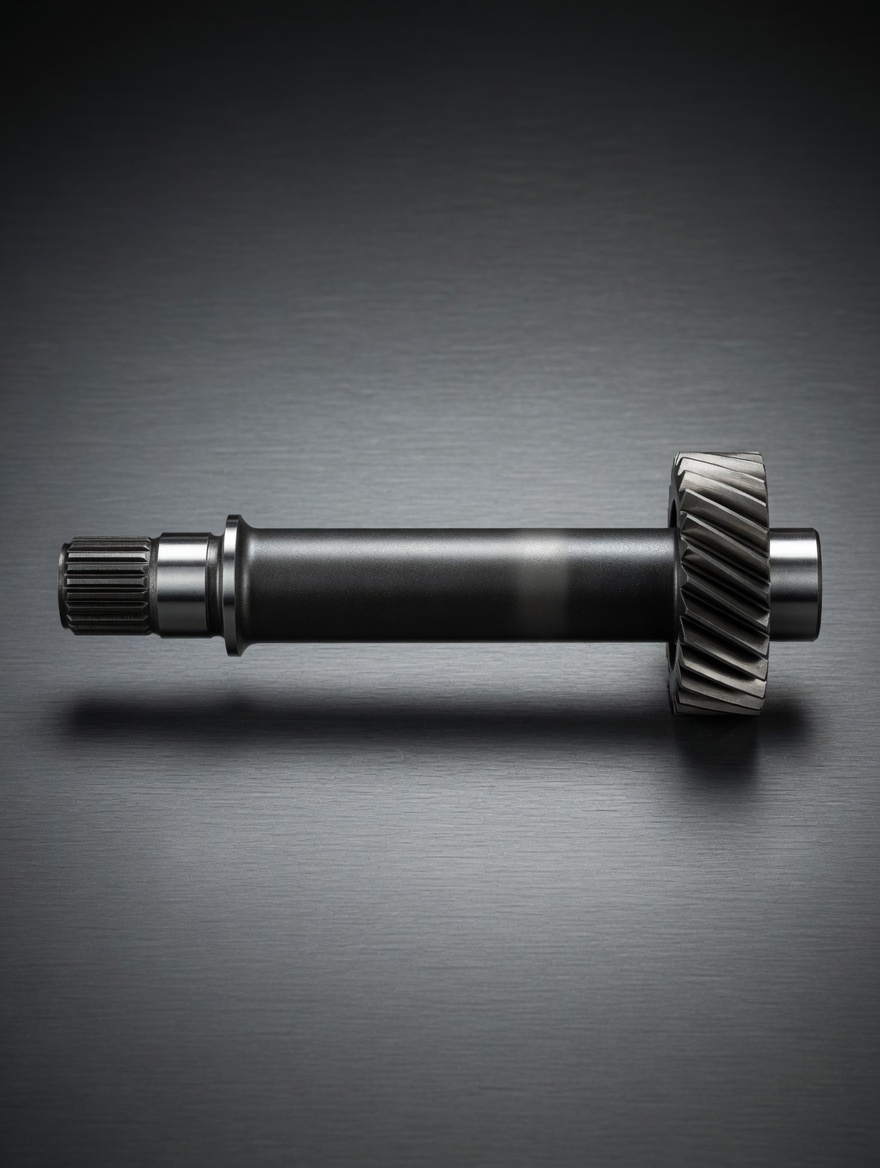
Precision Shaft Process Improvement for Critical Rotating Parts

Industry Automotive & EV Components
Part Type Motor shaft / gearbox shaft / bearing-seat shaft

Support: Machine + process review + training + ramp-up

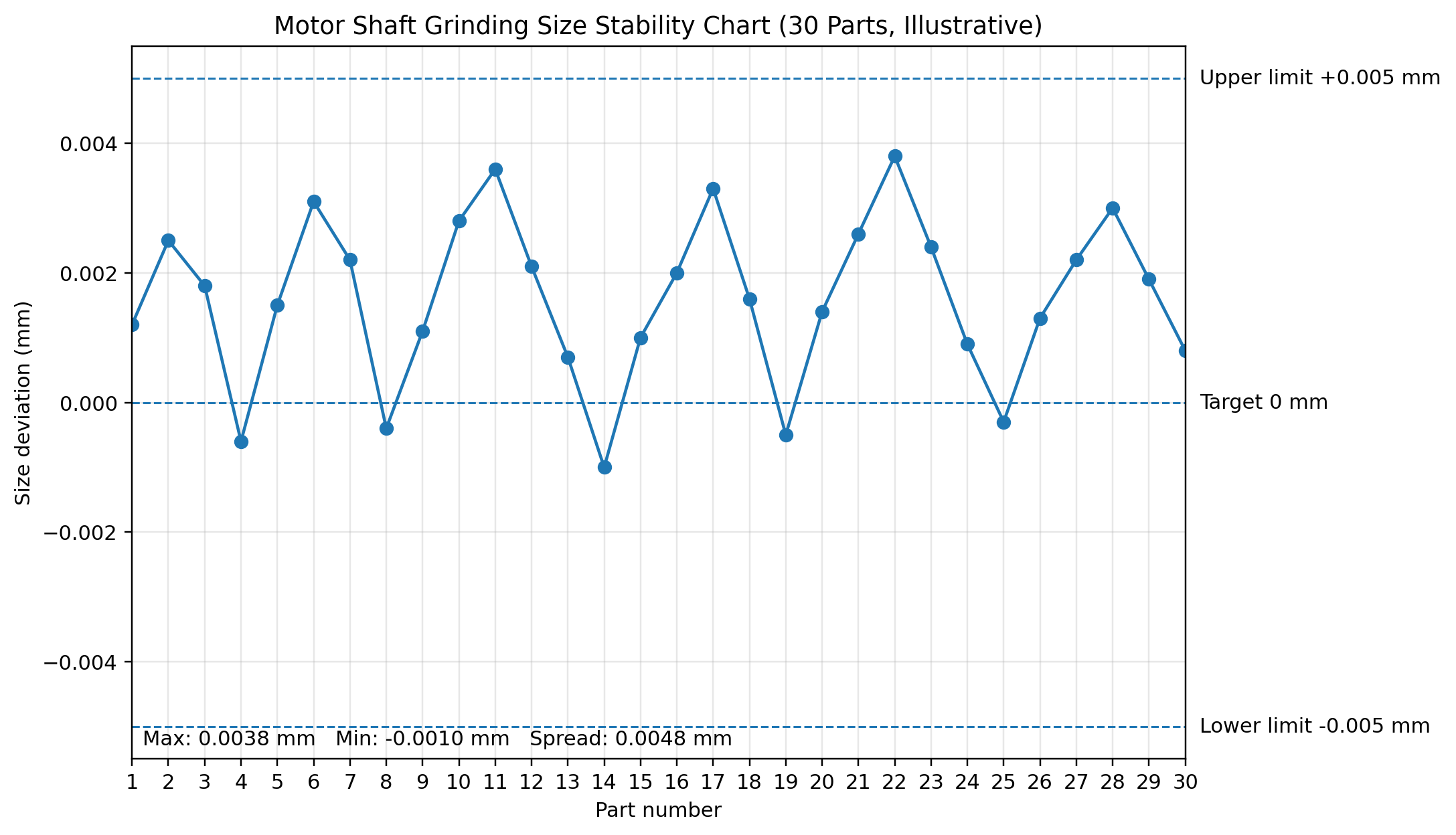
Customer needed stronger roundness, concentricity and surface finish consistency. Parts could be produced, but batch stability was still short of reliable volume release.

Stable roundness, improved concentricity, repeatable surface finish and production outputs that hold shift-to-shift.

  • Reviewed drawing, tolerance chain and machining risks before recommending hardware
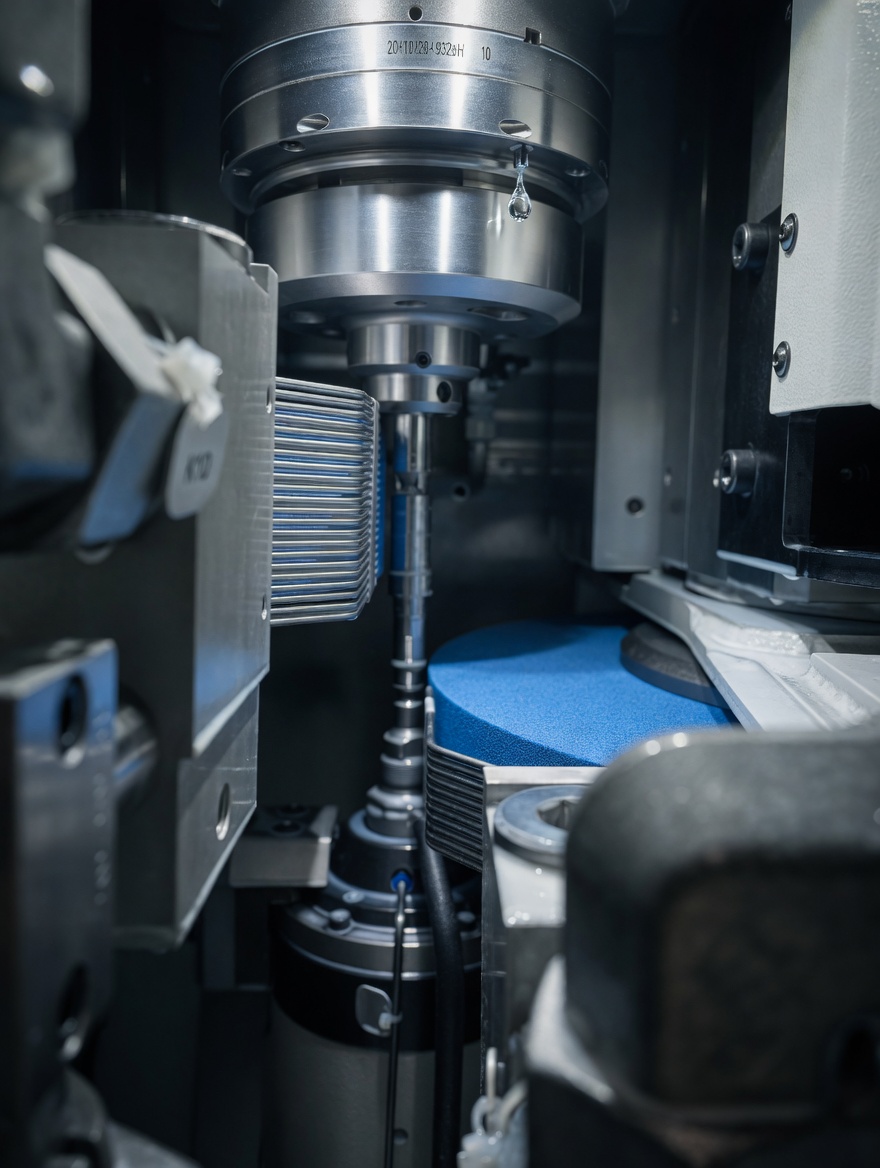
  • Proposed an improved turning + OD grinding process route
  • Optimized sequence and stock strategy for fit surfaces and journal grades
  • Delivered machine recommendation, process review and ramp-up support

Better dimensional discipline, more consistent finish bands and more repeatable batch behavior on the features that drive assembly risk.

Drawing Review
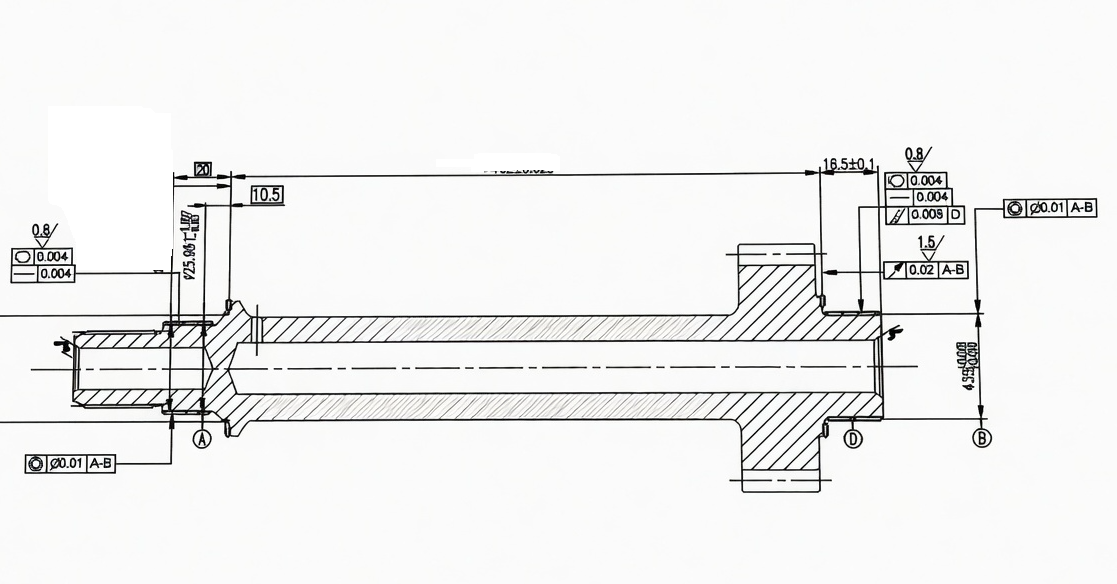
Drawing excerpt — shaft tolerances and critical geometry Open

Drawing-first review of datums, tolerance chain and critical fit features.

Improved roundness stability More consistent surface finish Repeatable batch output OD Grinding Shaft Roundness Concentricity Automotive EV
CASE 02

Hybrid Hard Turning + Grinding for Hydraulic Precision Fit Components

Industry Industrial Equipment / Hydraulic Systems
Part Type Hardened hydraulic valve spool / precision fit hydraulic component

Support: Hybrid route definition, grinding critical surfaces, hard-turning flexibility, cycle benchmarking

The customer used a conventional grinding-heavy finishing route for hardened hydraulic spool components. Fit and sealing could be achieved, but:

  • Long finishing cycle time
  • Heavy dependence on grinding for multiple profiles and diameters
  • Limited flexibility when profile details changed
  • Multiple finishing steps after heat treatment
  • Grinding became the bottleneck in batch production
  • Reduce finishing cycle time
  • Improve process flexibility for profile features
  • Maintain sealing and fit surface quality
  • Reduce dependence on grinding bottlenecks
  • Achieve more balanced finishing throughput

Hybrid hard turning + grinding instead of a fully grinding-based route:

  • Kept grinding for critical sealing and fit diameters
  • Introduced precision hard turning for selected hardened features
  • Used hard turning for shoulders, grooves and non-critical contours
  • Reduced grinding allowance before final finishing
  • Shortened the overall finishing chain while maintaining dimensional control

Cycle time: 14.8 min → 9.1 min
Reduction: ~38.5%

Additional improvements:

  • Reduced grinding bottleneck in batch production
  • Improved responsiveness to design or profile changes
  • More balanced finishing process across operations

This hybrid approach combines the strengths of both processes:

  • Grinding maintains tight control on critical sealing surfaces
  • Hard turning improves flexibility for profile-related features
  • Reduced grinding stock shortens grinding time
  • Less dependency on a single finishing process improves takt time

For suitable valve sleeves (L/D ratio dependent), the bore can also be finished directly by precision hard turning instead of ID grinding, further shortening the process chain while maintaining fit and surface quality.

Drawing Review

Drawing excerpt — hydraulic spool tolerances and critical fits (illustrative) Open

Drawing-first review of sealing faces, fit diameters and tolerance chain before splitting hard turning vs. grinding.

For hardened hydraulic precision components, hybrid hard turning + grinding improves takt time while keeping critical fit and sealing surfaces under control.

Shorter takt time Better profile flexibility Reduced grinding dependency Critical fit surfaces maintained Hydraulic components Hard turning + grinding
Case 03

Face Runout After Heat Treatment

Full case narrative — HT distortion context, face strategy and gauge correlation — click the title above to open the full layout.

← Back to summary view
Case 03

Face Runout After Heat Treatment

Industry
Power transmission / precision rings
Part Type
Ring / face-critical seat post-HT

After heat treatment, face runout and finish bands drifted versus pre-HT capability — assembly risk concentrated on the face interface rather than OD size alone.

Drawing excerpt — face and runout notes (illustrative)

Hold face behaviour within a narrow, repeatable band across batches while respecting cycle time and shop loading constraints.

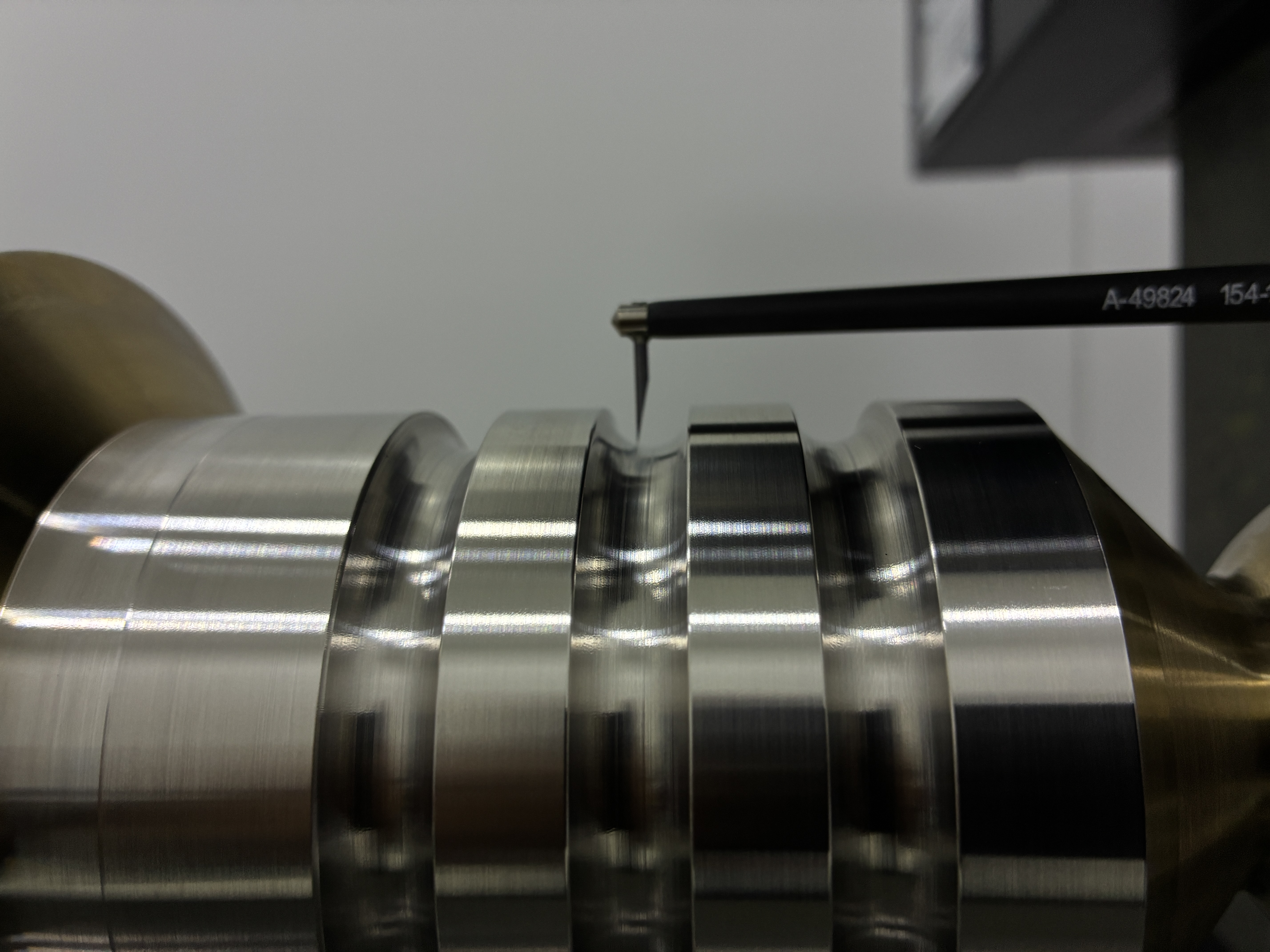
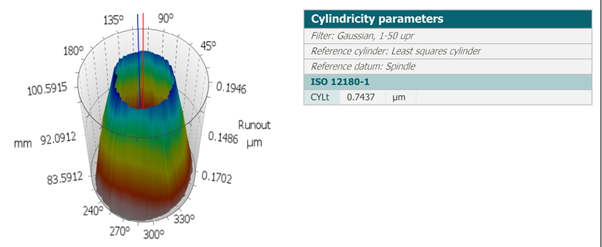
Precision measurement context — illustrative
Evidence — measurement context (illustrative)
  • Separated HT distortion modes from machining/setup signatures using traceable correction paths.
  • Adjusted face strategy (sequence, stock, and clamping philosophy) for post-HT stability.
  • Aligned surface finish targets with the functional seal/bearing interface rather than generic Ra tables.

This pattern typically shifts discussion from “one-off correction” to controlled batch behaviour — publication-grade metrics for this anonymized case will follow.

Illustrative outcome bands — placeholder for Case 03
Outcome summary — illustrative (draft)
Post-HT face discipline Surface finish vs. function Cycle-time aware corrections

Support Included: Route review, HT-handling considerations, measurement correlation — full narrative coming soon.

Pattern Tags: Heat Treatment Rings Surface Finish Cycle Time

We review drawings, tolerance risks and possible machining routes before quoting.